
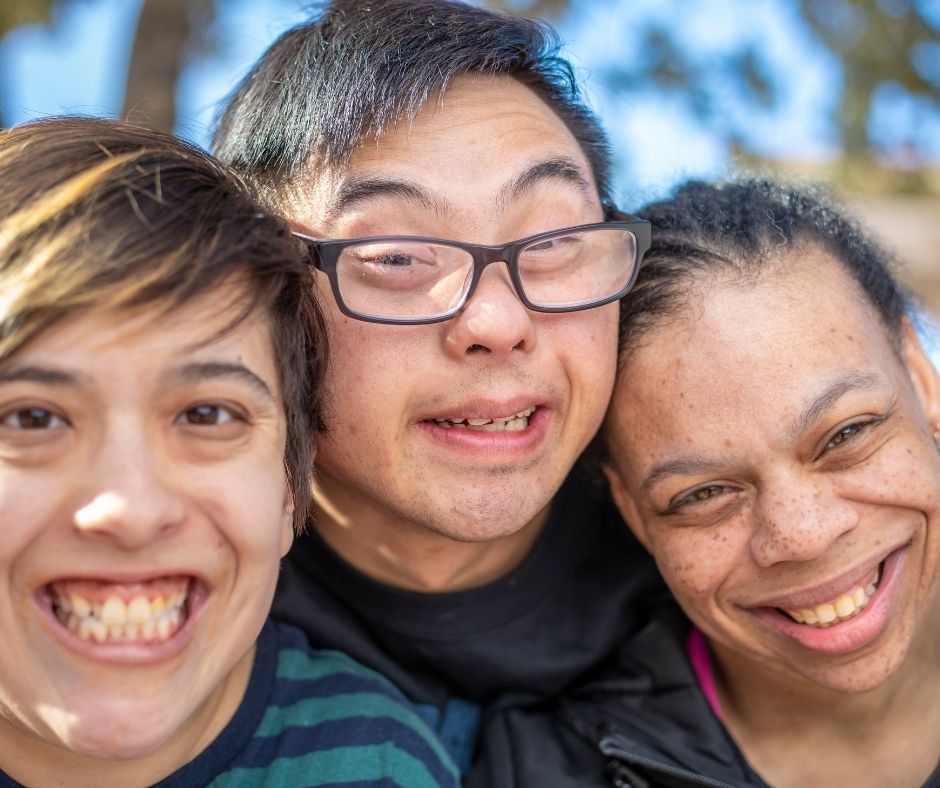
Belonging Matters: Supporting Exceptional Individuals reminds us that belonging is more than just being present, it’s the deep human experience of feeling accepted, respected, and truly connected. It’s the difference between sitting in a room and feeling invisible, and sitting in a room and knowing you matter.
For individuals with exceptional needs those with developmental, intellectual, cognitive, sensory, or physical disabilities, the concept of belonging carries profound importance. It shapes emotional well-being, personal growth, social connection, and the ability to participate fully in school, work, and community life. Yet for many, belonging remains out of reach, especially in environments that treat inclusion as a checklist rather than a culture of connection and commitment.
The message of Belonging Matters: Supporting Exceptional Individuals is clear: creating spaces of genuine belonging is not just beneficial, it’s essential. It begins with understanding what belonging truly means, how it differs from inclusion, and how we can embed it into our everyday choices, interactions, and mindsets.
Belonging vs. Inclusion: A Crucial Distinction
Inclusion and belonging are often used interchangeably, but they represent two distinct concepts.
Inclusion ensures people are physically present and granted access to spaces, activities, or opportunities. Belonging ensures that people feel included, emotionally, socially, and psychologically. It affirms that they are valued just as they are, without needing to conform or mask their identity to be accepted.
Think of it this way: inclusion gets you in the room, but belonging makes you feel like you’re supposed to be there.
For individuals with exceptional needs, who often face social stigmas or systemic barriers, inclusion without belonging can be isolating. They may be offered a seat at the table but feel like a guest rather than a member of the group. True belonging transforms that seat into a space where their voice is heard, their perspective is welcomed, and their presence is appreciated.
The Psychological Importance of Belonging
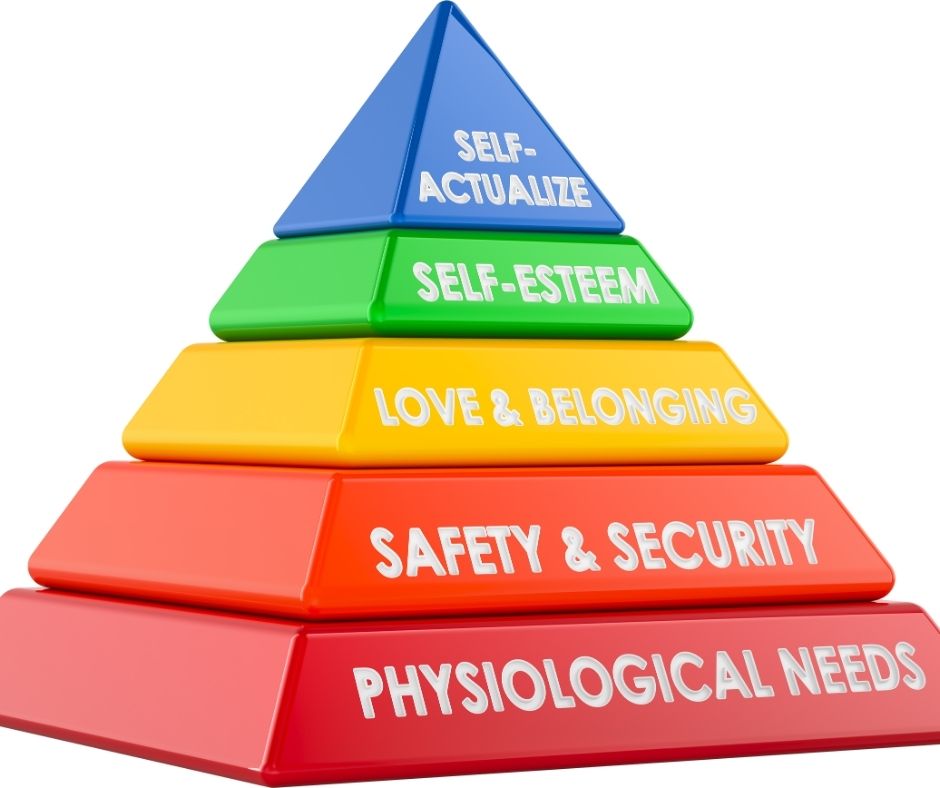
Belonging is one of the most fundamental psychological needs, as identified by leading theorists such as Abraham Maslow. It ranks just above safety and basic physiological needs in the hierarchy of human motivation. When people feel they belong, they experience greater self-worth, stronger emotional regulation, increased motivation, and better physical and mental health outcomes. Most importantly, they build a resilient sense of identity and purpose.
For individuals with exceptional needs, who may experience more frequent rejection or misunderstanding, belonging is both protective and empowering. It serves as a buffer against the anxiety, loneliness, and self-doubt that can arise from repeated exclusion.
Children with disabilities who feel a sense of belonging in school environments are more likely to perform academically, build friendships, and engage in extracurriculars. Adults with disabilities who feel included in workplace or social settings report higher job satisfaction, emotional stability, and community engagement.
In short, when belonging is present, possibilities expand.
What Does Belonging Look Like in Practice?
Belonging is not just a feeling. it is an experience created by intentional actions, relationships, and cultural norms. For individuals with exceptional needs, belonging can be cultivated in a variety of environments.
In education, belonging is fostered when teachers take the time to understand each student’s learning style, celebrate neurodiversity, and encourage peer collaboration. When students are encouraged to work together in inclusive classrooms, and when learning activities are adapted to meet diverse needs, everyone benefits. Schools that use the Universal Design for Learning (UDL) framework ensure that students can access content in ways that suit them best through visual aids, hands-on experiences, or assistive technology.
In employment, a sense of belonging is created when companies go beyond legal compliance and actively build inclusive cultures. This includes providing appropriate accommodations, but also offering meaningful roles, fair pay, and opportunities for growth. When coworkers engage respectfully, offer support, and treat everyone as a valuable team member, individuals with exceptional needs are more likely to succeed, feel empowered, and stay engaged. Mentorship programs and supportive supervisors can play a key role in building these connections.
In social and recreational settings, belonging flourishes when individuals with disabilities are welcomed into community activities as full participants, not as guests or observers. Programs that offer adaptive sports, inclusive arts classes, or social meetups tailored to diverse needs help create shared experiences. Consistent routines, friendly staff, and peer engagement are important to making participants feel at ease. When individuals are encouraged to contribute, whether by leading a group, sharing a talent, or helping a friend, they begin to see themselves as active and valued members of their community.
In public life, inclusive design can make or break the feeling of belonging. Accessible parks, sensory-friendly movie screenings, transportation options that support mobility challenges, and communication tools for individuals with non-verbal needs all send a powerful message: “You are welcome here.” Community leaders who involve individuals with exceptional needs in planning and decision-making processes deepen the message by turning access into voice and agency.
Barriers to Belonging—and How to Break Them Down
Despite progress, several barriers still prevent individuals with exceptional needs from fully experiencing belonging. One of the most significant is stigma and stereotypes. Misconceptions about a person’s capabilities or behaviors often lead to exclusion, patronizing attitudes, or overprotection, limiting opportunities for growth and connection.
Another barrier is the lack of training and awareness among educators, employers, and community members. Many people want to be inclusive but don’t know how. This gap often leads to discomfort or avoidance, rather than authentic interaction. Education and disability sensitivity training are essential to overcoming this obstacle.
Environmental factors also create exclusion. Physical and sensory challenges, such as crowded hallways, bright lights, loud noises, or inaccessible buildings can be overwhelming or even dangerous for individuals with sensory sensitivities or mobility limitations.
Perhaps most subtly, cultural norms often reward conformity rather than celebrate difference. This pressure to “fit in” leads many individuals to mask their true selves in order to feel accepted, especially those with autism or invisible disabilities. But true belonging comes not from blending in, but from being able to stand out and still be loved and included.
To break these barriers, we must shift from the expectation that individuals with exceptional needs adapt to the world around them, and instead focus on adapting the world to meet everyone’s needs. This requires empathy, creativity, and an unwavering belief in the value of every person.
How We Can All Foster Belonging
Belonging does not rest on systems alone, it’s built through everyday actions and intentional relationships. Each of us has a role to play in making our homes, schools, workplaces, and communities more inclusive.
Start by listening more than you speak. Seek to understand the lived experiences of individuals with exceptional needs, and listen without rushing to correct, pity, or assume. Validate what they share and learn how you can support them more effectively.
Take time to learn about different disabilities, not just the medical definitions, but how these conditions affect communication, sensory processing, mobility, and emotional expression. The more you know, the better equipped you’ll be to support and connect meaningfully.
Next, invite participation. Whether it’s asking someone to sit with you at lunch, join your team at work, or help plan an event, invitations show that you see a person as capable and valued. Sometimes individuals may hesitate to jump in; offering patient encouragement can make all the difference.
It’s also important to be patient. Communication styles, processing speeds, or behavioral differences may require flexibility. Instead of interpreting silence or repetition as a lack of interest, approach with compassion and curiosity.
Rather than focusing on limitations, celebrate strengths. Acknowledge talents, unique perspectives, humor, kindness, and resilience. Recognizing the strengths of individuals with exceptional needs builds confidence and shifts public perception in powerful ways.
Finally, model inclusive behavior wherever you are. When you treat everyone with respect, dignity, and empathy, you create ripple effects that influence how others behave too. Your words, attitudes, and actions matter and they can make someone feel they truly belong.
At Cedar Bridge Foundation, belonging is not just a goal, it’s the heart of our mission. We strive to build spaces, programs, and partnerships that reflect the dignity, voice, and potential of individuals with exceptional needs. Whether through social groups that nurture friendship and joy, skill-building workshops that promote independence, or advocacy efforts that raise awareness and drive change, everything we do is grounded in the belief that every person deserves to be seen, supported, and celebrated. Our programs are designed not only to include individuals, but to empower them. We know that when people belong, they thrive and when they thrive, communities grow stronger together.